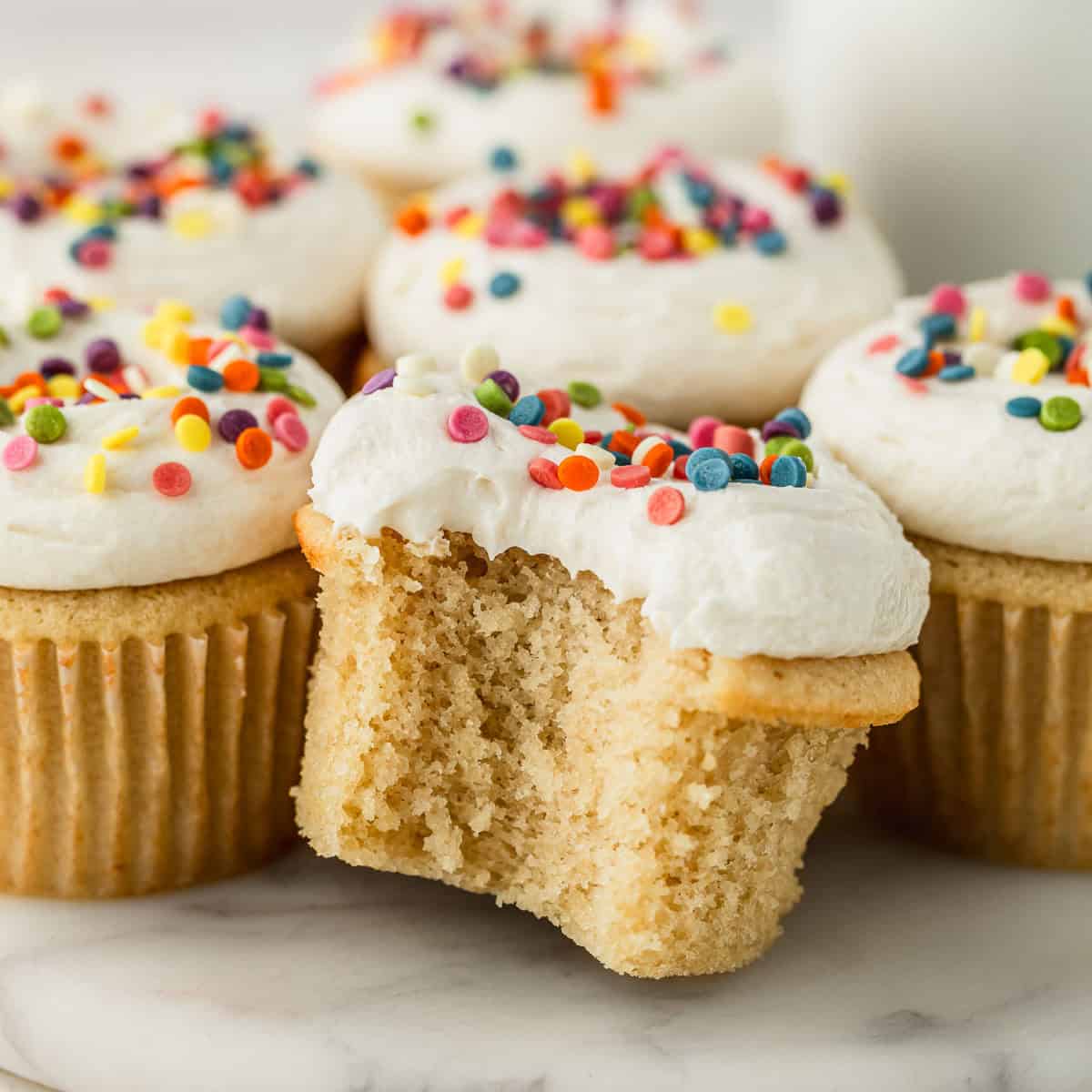
The Quest for the Perfect Small Batch Vanilla Cupcake
There's an undeniable magic in a perfectly baked vanilla cupcake. It's often seen as the humble foundation of the dessert world, yet its simplicity demands perfection. A truly outstanding vanilla cupcake should be soft, fluffy, moist, bursting with authentic vanilla flavor, and not overly sweet. For many home bakers, achieving this delicate balance in a small batch – enough for a spontaneous craving or a cozy evening for two – feels like a culinary holy grail. This pursuit for perfection is exactly what drives the most passionate bakers, those who, like seasoned "cake snobs," dedicate countless hours to refining every nuance.
The beauty of small batch baking lies in its immediacy and absence of waste. No more mountains of leftovers tempting you for days, just a handful of exquisite treats ready to be devoured. But how do we ensure these precious few aren't just good, but *great*? The secret often lies in a fundamental baking debate: the choice between oil and butter.
The Age-Old Baking Debate: Oil vs. Butter
In the vast world of cake and cupcake baking, few discussions are as perennial as the showdown between oil and butter. Each fat brings unique qualities to the table, influencing everything from flavor and texture to shelf life.
Butter, the traditional darling of the baking realm, is celebrated for its incomparable richness and depth of flavor. Composed of milk solids and fat, it contributes a complex, creamy taste that is undeniably classic. When creamed with sugar, butter also plays a crucial role in aeration, creating tiny air pockets that give cakes their structure and light crumb. Furthermore, butter assists in browning, lending a beautiful golden hue to the edges and crust of baked goods. However, butter-based cakes tend to firm up when cooled or refrigerated because butter solidifies at cooler temperatures, which can sometimes lead to a drier texture the next day.
Oil, on the other hand, is the undisputed champion of moisture. As a liquid fat, oil remains liquid even at room temperature, which translates directly to a more tender, moist, and often softer crumb in your baked goods. Cakes made with oil tend to stay moist for longer and resist drying out, making them excellent candidates for recipes where longevity or intense moisture is paramount. Oil also creates a finer, more even crumb structure due to its ability to coat flour particles, inhibiting gluten development more effectively than butter. The trade-off? Oil, particularly neutral varieties like vegetable or canola, contributes very little flavor of its own, meaning the taste of your cupcakes must come entirely from other ingredients.
The dilemma for the discerning baker becomes clear: do you prioritize rich flavor from butter or superior moisture from oil? Many recipes traditionally lean heavily on one or the other, often forcing a compromise.
The Secret Weapon: A Hybrid Approach for Unbeatable Moisture and Flavor
What if you didn't have to choose? What if you could harness the best attributes of both butter and oil to create a cupcake that truly stands apart? This is where the hybrid approach shines, and it's the ultimate secret to achieving those coveted, deeply moist yet incredibly flavorful
small batch vanilla cupcakes.
The magic lies in finding the precise balance. Through extensive testing and a dash of baking science, many expert bakers have discovered that incorporating a *small amount* of neutral oil alongside butter yields a remarkably superior result. The butter provides that essential, rich, classic vanilla flavor and contributes to the structural integrity and slight browning that we adore. Meanwhile, just a touch of neutral oil—we're talking teaspoons, not tablespoons—works wonders by adding an unparalleled level of moisture. This small quantity of oil disperses evenly throughout the batter, keeping the crumb incredibly soft and tender without making the cupcakes greasy or altering their delicate flavor profile.
Why just a few teaspoons? Too much oil, as some experiments have shown, can actually lead to undesirable results, such as crispier edges or a slightly rubbery texture, detracting from that soft, fluffy ideal. The goal is to supplement, not replace, the butter's role. Neutral oils such as avocado oil, canola oil, vegetable oil, or even grapeseed oil are perfect choices here. They impart no discernible flavor of their own, allowing the pure vanilla and butter notes to sing. This careful combination ensures your small batch vanilla cupcakes maintain their luxurious softness and moist crumb for days, even while delivering that rich, buttery taste.
Beyond the Fats: Mastering Texture and Taste in Small Batch Cupcakes
While the oil-and-butter blend is a game-changer, several other factors contribute significantly to the perfection of your small batch vanilla cupcakes. These nuances are what elevate a good cupcake to an extraordinary one.
The Essence of Vanilla
For a cupcake named "vanilla," the quality of your vanilla extract is paramount. Skip the imitation extracts and invest in a good quality pure vanilla extract or, even better, vanilla bean paste for those beautiful flecks and intensified flavor. Given the small batch size, every ingredient's contribution is magnified, so don't skimp on this crucial element.
Precision in Mixing
One of the most common pitfalls in baking is over-mixing the batter. Flour contains gluten, and excessive mixing develops this gluten, leading to tough, dense cupcakes. Once you add the dry ingredients to the wet, mix *just until combined*. Many bakers find it helpful to switch from a hand mixer to a rubber spatula for this final stage, gently folding the dry into the wet until no streaks of flour remain. This ensures a tender, fluffy crumb.
Ingredient Temperature Matters
Ensure your perishable ingredients, especially butter and eggs, are at room temperature. Room temperature butter creams more effectively with sugar, incorporating air for a lighter texture. Room temperature eggs emulsify better with the rest of the ingredients, leading to a smoother, more uniform batter. This attention to detail creates a cohesive structure crucial for delicious results.
Smart Storage for Lasting Freshness
You've perfected your
small batch vanilla cupcakes, and now you want to enjoy them as long as possible. The general rule: do not put unfrosted cupcakes in the fridge! The cold air in a refrigerator rapidly dries out cakes and cupcakes, making them stale and dense due to starch retrogradation. Instead, store them in an airtight container at room temperature for 2-3 days. If you've made a slightly larger batch and want to preserve them longer, freezing is your friend. Wrap unfrosted cupcakes individually in parchment paper, then place them in an airtight container or freezer bag. They can be frozen for up to 3 months, ready for a quick thaw and frost whenever a craving strikes.
Crafting Your Own Small Batch Vanilla Masterpiece
The beauty of baking your own small batch vanilla cupcakes extends beyond just the perfect texture and flavor; it's also incredibly adaptable. Whether you're making them as a delightful treat for two, involving kids in the kitchen, or just satisfying a late-night craving, these recipes are often designed for simplicity, sometimes even coming together in a single bowl with common pantry staples.
Once your perfectly moist and fluffy cupcakes emerge from the oven, they become a canvas for your creativity. Slather them with a luscious small batch vanilla buttercream to amplify that classic flavor, or venture into decadence with a rich chocolate buttercream for an iconic yellow cake and chocolate frosting experience. You can stir in sprinkles for a celebratory touch, mini chocolate chips for an extra treat, or even core out the centers to fill with fruit curd, ganache, or a sweet cream. The possibilities are endless, making each small batch baking session a new adventure.
Conclusion
The journey to the ultimate small batch vanilla cupcake is a delightful one, marked by the discovery that sometimes, the best results come from combining traditional wisdom with scientific insight. By understanding the unique contributions of both oil and butter, and employing a strategic hybrid approach, you unlock a level of moisture and flavor that truly sets your cupcakes apart. Coupled with meticulous vanilla selection, careful mixing, and smart storage, you're not just baking cupcakes; you're crafting miniature masterpieces of culinary delight. So, next time you crave that perfect, humble yet exquisite vanilla treat, remember the secret: it's all in the blend.